
Written by: Maggie Sweetman
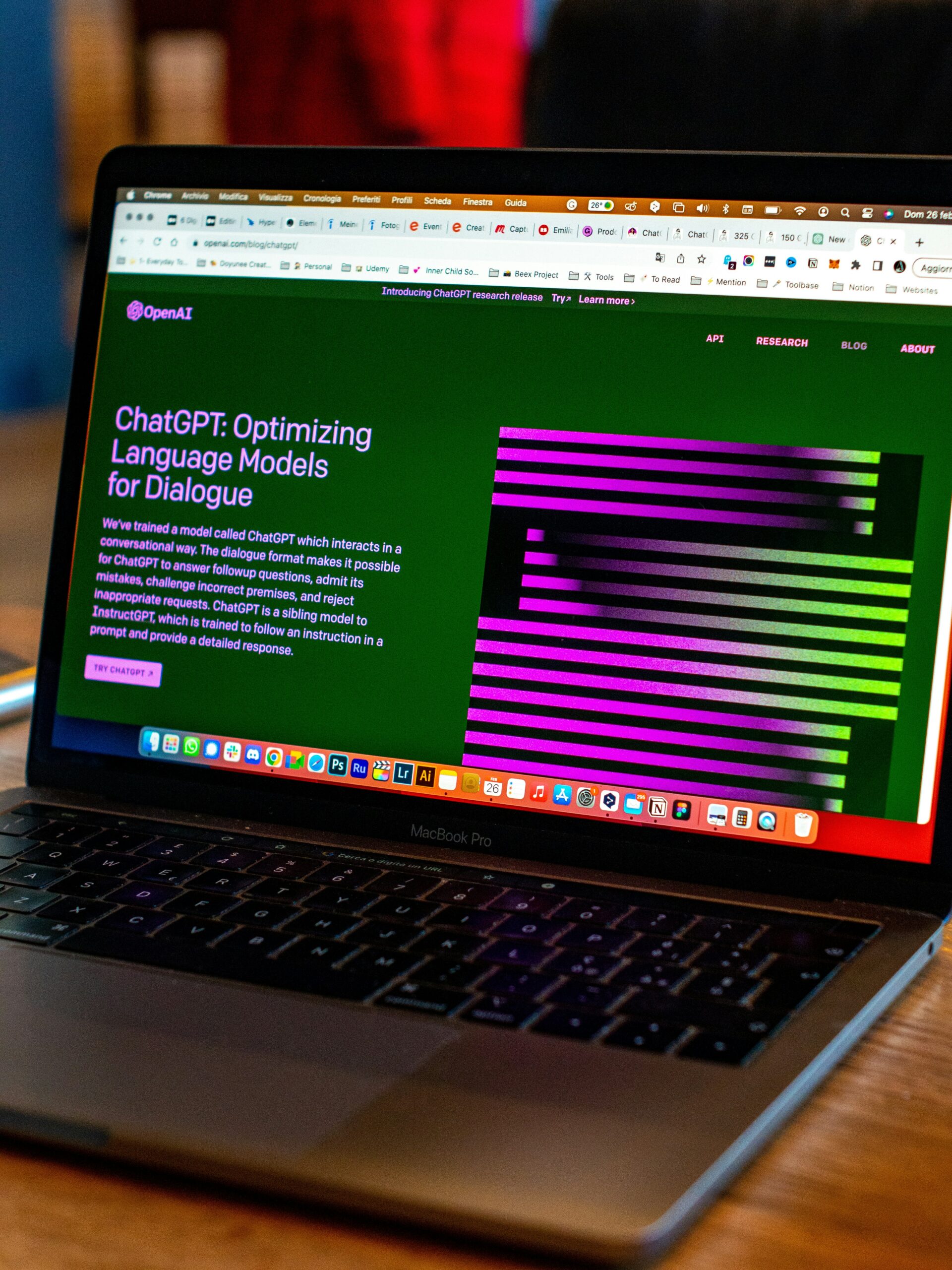
For years, the creator economy has been built on human qualities: personality, storytelling, and the ability to build trust at scale. But in 2026, a new force is reshaping the landscape. Artificial Intelligence has moved from a novelty to a core part of how creators work, influencing everything from content production to brand partnerships. Automated editing tools, AI voiceovers, predictive analytics and even fully AI-generated creator accounts are becoming part of the everyday ecosystem. Despite the noise surrounding these advancements, the reality is simple: AI enhances creators rather than replacing them.
AI has become deeply embedded in the creator workflow. Creators now use AI to generate scripts, edit videos, brainstorm ideas and optimize content for platform algorithms. Instead of spending their time on repetitive production tasks, creators can focus on the parts of the process that require human insight. AI is making creators faster, more efficient, and more strategic.
At the same time, the rise of faceless and automated creators has introduced a new dynamic. AI-generated personalities can publish content, respond to trends instantly, and scale across platforms with ease. What these accounts gain in efficiency, they lack in emotional resonance. Audiences may enjoy AI-generated content, but they do not build relationships with it. Human creators still hold the advantage because influence is built on identity, reliability, and lived experience, aspects that AI cannot replace.
Brands are not choosing between AI and creators. They are blending the two. AI helps brands identify the right creators, forecast performance, and scale campaigns. Creators use AI to elevate their production quality and expand their creative capacity. However, the heart of every successful campaign remains the same: a real person with a real point of view.
As the creator economy moves into this hybrid era, the most successful creators will be the ones who embrace AI as a tool rather than fear it. AI will continue to accelerate workflows, open new possibilities, and assist in how content is produced. The core of influence will remain in the hands of creators themselves. The future is not about replacing creators, but rather amplifying them.